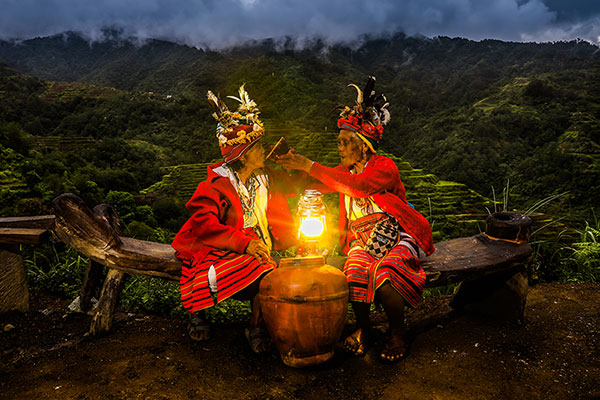

Weaving Gender into Restoration
Across different landscapes and ecosystems, women are not just participants in restoration. They are the ones who remember what was lost, who know what the land needs, and who stay when others leave.
These case studies trace what becomes possible when women’s leadership is centred, their knowledge is taken seriously, and their rights are secured. From pasturelands grazed by generations of pastoralist families, to coastlines stripped by shrimp farms, to mountain fields where seeds carry centuries of memory; each story is rooted in a specific place, a specific struggle, and a specific kind of power that rarely makes it into policy documents.
The challenges are real: climates shifting faster than institutions can respond, commons shrinking under privatisation and encroachment, and histories of exclusion that did not end when the development projects did. But so are the openings. In each place, women found or forced a way through.
These case studies are stories of what organised, knowledgeable, rights-holding women can do when the conditions allow it, and what it takes to create those conditions.
✊
Leadership
Centering women as decision-makers and governance actors
💡
Knowledge
Recognizing indigenous and traditional ecological wisdom
⚖️
Rights
Securing land, resource and community rights for women
Read the Case Studies


View the Photo Books

Sun Prints of Interconnection with Nature by EcoLAWgy

Asia Pastoralist Women’s Gathering by Maldhari Rural Action Group (MARAG)