
Event Summary
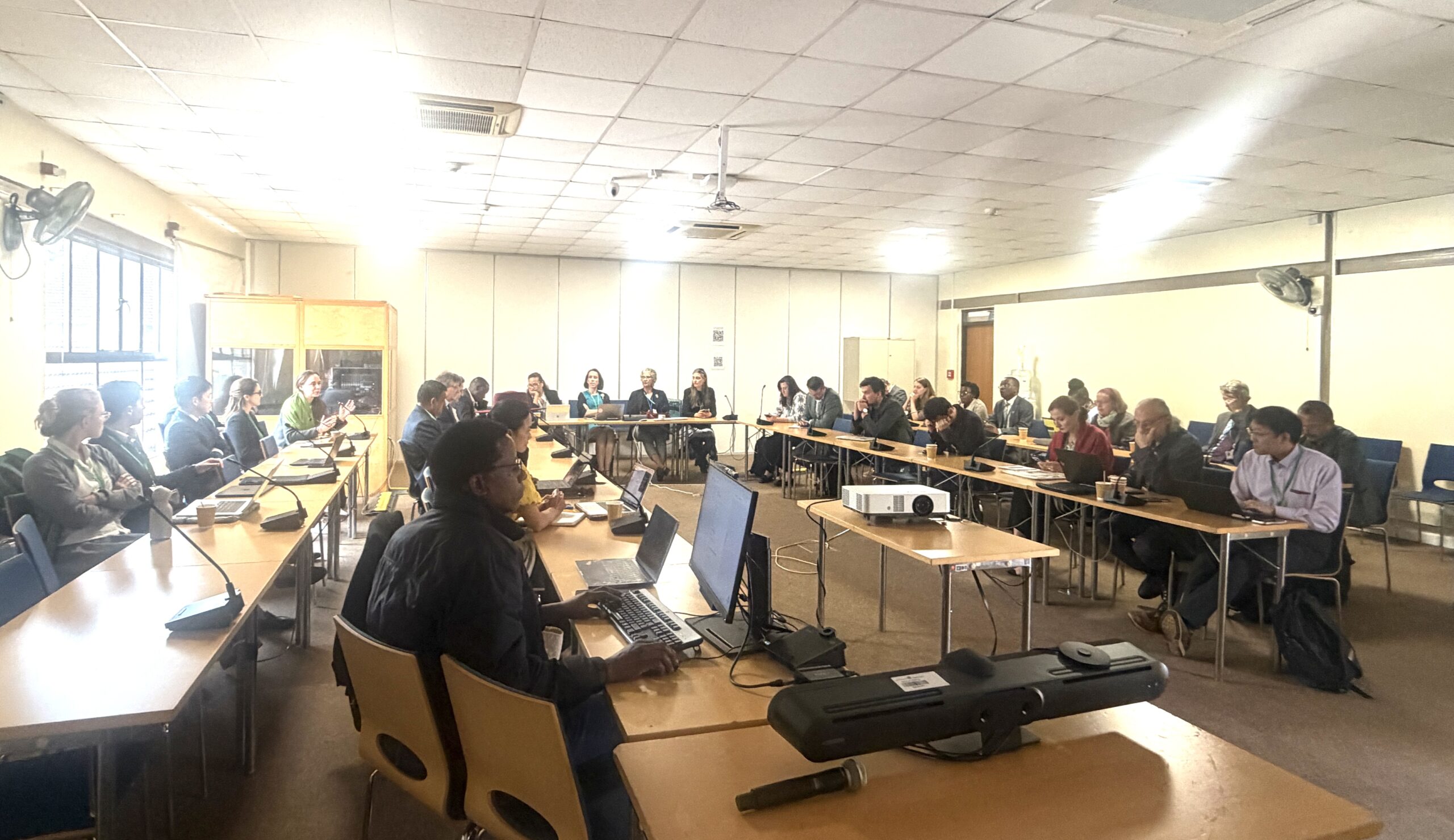
Taking place on the margins of the seventh meeting of the CBD Subsidiary Body on Implementation, this side event focused on the new CBD Technical and Scientific Cooperation Centers (TSCCs) and their role in fostering inclusive and gender-responsive biodiversity conservation, using the IUCN Asia Regional Office CBD Technical and Scientific Cooperation Centre (IUCN-ARO CBD TSCC) as a case study. Established by CBD Decision 15/08, there are currently 18 operational TSCCs, including 4 IUCN-led regional hubs, with a mandate to promote and facilitate scientific cooperation regarding biodiversity conservation among countries and organisations, as well as mobilising resources and disseminating good practices.
Participants focused on how women, indigenous peoples and local communities, youth and other stakeholders can contribute to strengthening the TSCCs and support equitable implementation of the Kunming Montreal Global Biodiversity Framework (KMGBF). The event was moderated by Ashanapuri Hertz, Head of Climate, Partnerships and External Relationships at SwedBio.
Reflecting on the initial work of the Asia Subregional Technical Support Center
The event began with a presentation from Mohammed Khalid Sayeed Pasha, Coordinator of the IUCN-ARO CBD TSCC. The presentation explored the early work of the IUCN-ARO CBD TSCC, which functions as the subregional support center for Asia, facilitating region-wide capacity-building and knowledge sharing as well as providing direct technical and scientific support to six countries. Khalid noted that as part of its commitment to inclusion, the Governance and Steering Committee of IUCN-ARO CBD TSCC includes seats for representatives of Indigenous Peoples and Local Communities, represented by IPRI and Women by Women4Biodiversity & Youth representative. This has paved the pathways to bring inclusive processes to the TSCC and hoped that these seats and modality can also be shared and formalised across all regional TSCC steering committees. He further reflected that while women’s leadership in biodiversity is currently well-documented across the Asia region, this is not yet reflected in formal governance or decision-making processes. He shared examples of ongoing and upcoming gender-responsive initiatives by IUCN-ARO CBD TSCC, such as efforts to resource women-led technical exchange as a recognised TSCC capacity-building modality.
Inclusion of indigenous peoples and local communities, women and youth
The room then heard from Wara Iris Ruiz Condori, Project Coordinator at Indigenous Peoples Rights International. Wara argued the need to move beyond the categorisation of indigenous peoples and local communities and women and youth as merely beneficiaries of KMGBF implementation, instead recognising them as knowledge-holders, decision-makers, and contributors. She highlighted the specific ways that indigenous women in particular are impacted by biodiversity loss, emphasising the need for gender-responsive biodiversity governance that ensures indigenous women have access to resources, influence over decisions, and mechanisms in place to address the specific risks they face. She further pointed to conservation as a driver of human rights violations when measures are imposed without the involvement and consent of affected communities. Wara called for a shift towards a more rights-based approach to conservation, in which indigenous peoples and local communities have real influence and access to accountability mechanisms and international resources such as the TSCCs.
Mrinalini Rai, Founder and Director of Women4Biodiversity and member of the IUCN-ARO CBD TSCC steering committee, highlighted the importance of sharing knowledge and best practices among TSCCs, citing the inclusion of indigenous peoples and local communities, women and youth on the IUCN-ARO CBD TSCC steering committee as an example. Different TSCCs will have different areas of expertise regarding inclusive and gender-responsive conservation that can be shared through collaborations to support collective progress.
Discussion
The ensuing discussion focused on key priorities for the TSCCs and how they could be better supported. Khalid noted that resource mobilisation is a major challenge for TSCCs globally and that more funding is needed, emphasising that the TSCCs are the most legitimate mechanism for the advancement of KMGBF implementation. He also highlighted that the gender-responsive, whole-of-society approach to addressing all 23 KMGBF targets is currently missing at the global level, and advocated for the development of regional guidance on gender mainstreaming in this regard. Mrinalini reflected that the TSCCs are still in the very early stages of implementation and are constantly engaging with and learning from a wide range of stakeholders, including from the realms of finance and academia.
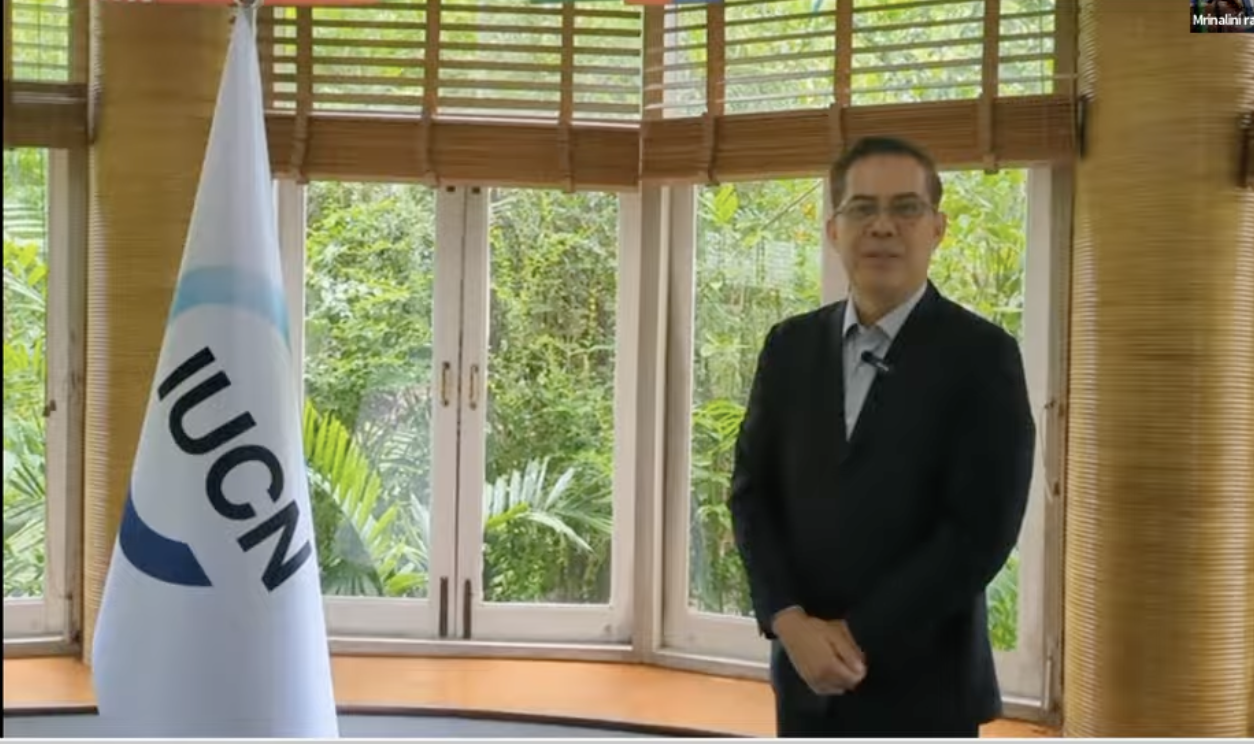
The event closed with a video message from Dr. Dindo Campilan, Regional Director for Asia at IUCN, who emphasised the importance of inclusive, evidence-based biodiversity conservation that is guided by rights and strengthened through partnerships.